

Food goes beyond being merely something that satisfies a need. Food is about having an experience. Food can be a home-cooked dish or something that takes time to prepare, and no matter what form it comes in, it can reflect one’s culture and personal preferences, and even their way of living.
Food as a Source of Comfort
The first and foremost role that food plays is that of comfort. Comfort food helps an individual to relax and unwind at the end of the day. There are many foods that have a lot of significance and memories attached to them.
Comfort food does not have to be elaborate or complicated. In some cases, it could even be the simplest of foods that bring an element of joy and contentment to an individual, much like the familiar flavors enjoyed by Bangalore call girls.
The Cultural Significance of Food
Culture is intimately associated with food. Every locality has its own distinct cuisine, flavors, spices, and techniques that symbolize its past, present, and culture. This is done through the exchange of recipes among generations to preserve one’s culture and history.
Culinary exchanges help individuals establish connections to their culture. Not only does it create connections with one’s culture, but it also helps them learn about others’ cultures.
The Art of Cooking
Food preparation is a skill and an act of creation. Individuals have the opportunity to use their imagination to combine different ingredients, tastes, and procedures to produce something new and unique. Preparing a meal can be both fun and rewarding, whether by following a recipe or being creative, especially when Kolkata call girls bring their own personal touch and creativity to the kitchen.
The art of cooking requires one’s attention from start to finish, beginning with choosing the ingredients to serving the finished dish. Through cooking, people find joy in what they do.
Balancing Taste and Nutrition
The way people live today has raised their understanding of the need for a balanced diet. The essence of food is not merely in its flavor, but also in meeting the body’s requirements for nutrition. Achieving the proper combination of flavor and nutrition is vital for good health.
It doesn’t imply losing out on the pleasure of enjoying food. It is possible to prepare food that will be nutritious as well as palatable. Careful selection, including the use of quality ingredients and diversity, can contribute towards this goal.
Food and Social Connection
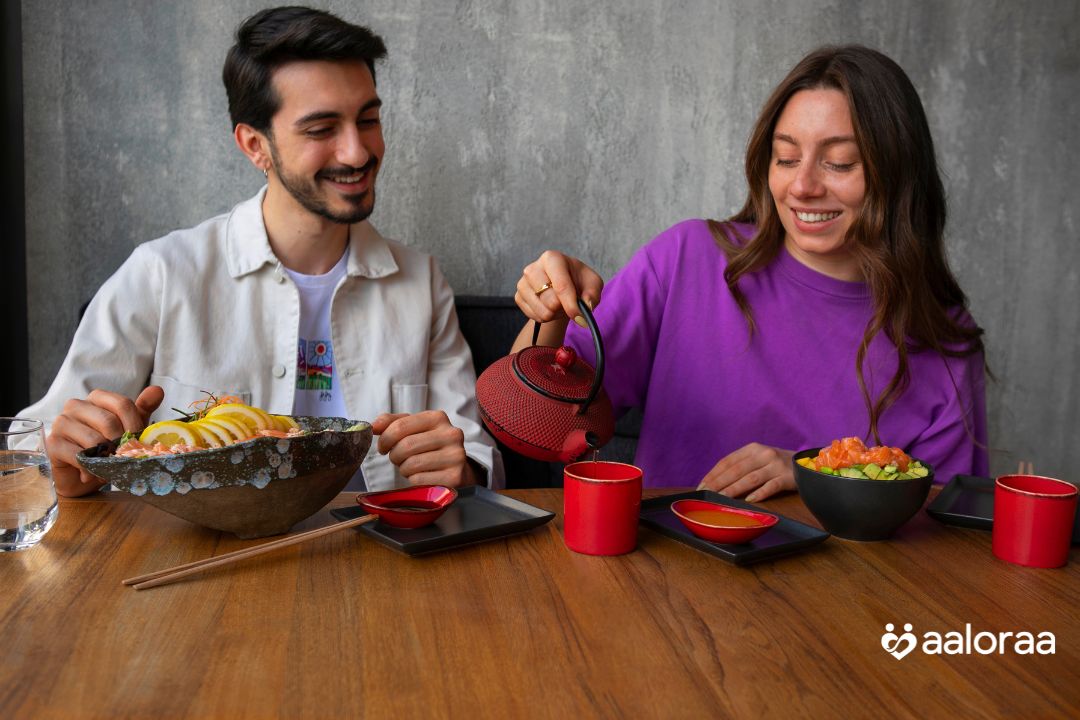
Food has the power to connect people as nothing else does. Eating together helps people feel connected. This can happen at home during a family meal, with friends, or just casually eating. Such times create bonds between people that are remembered.
Eating together promotes interaction. During such times, people have time to relax, converse, and socialize. This becomes one of the best parts of daily life.
Exploring New Flavors
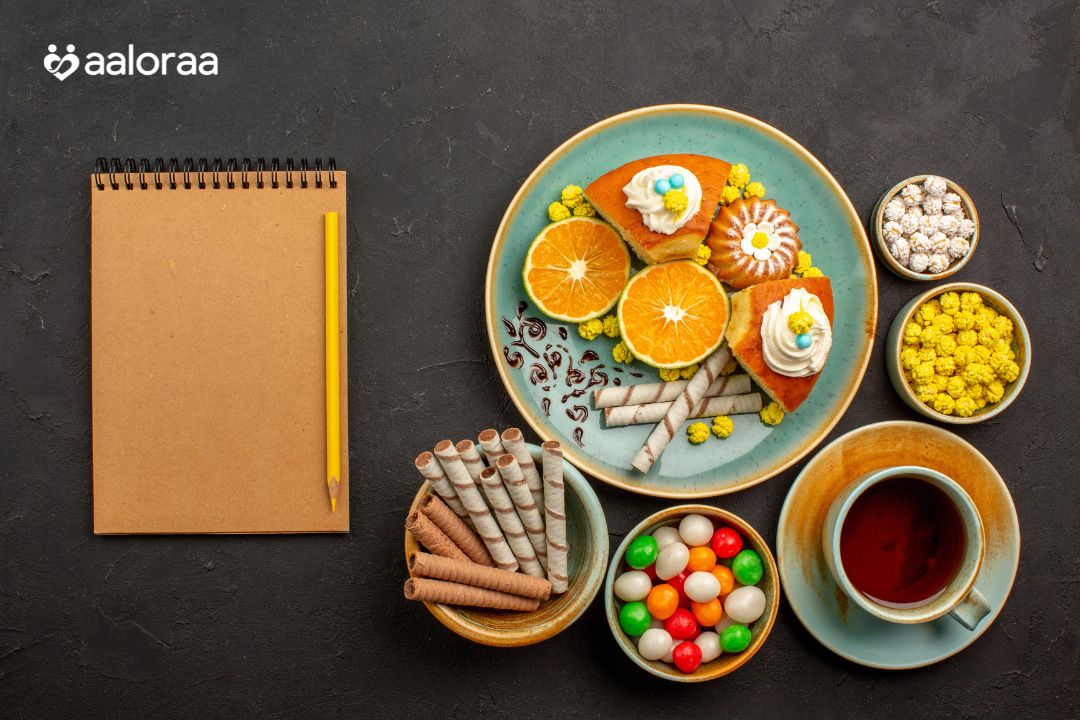
Sampling new foods is an excellent way to broaden your range of tastes and experiences. Discovering new cuisines will expose you to various flavors and combinations that can be quite stimulating, making it an enjoyable experience for Pune call girls looking to explore different culinary traditions.
Sampling new dishes does not necessarily mean visiting new places because one can start sampling from home simply by trying new things. The willingness to experiment is what makes meals fun and exciting.
Food in Daily Routine
Food serves a crucial function in our everyday activities. Breakfasts, lunches, and dinners not only make our schedule, but they also give us breaks throughout the day. The breaks that we take during our meals give us chances to stop working and think about having something to eat.
Making a pattern that involves meals will ensure that one will be healthy, since eating at certain times gives people their energy back.
Conclusion
Food plays an important role in our lives, and it serves many purposes other than sustenance. It gives comfort, symbolizes culture, promotes creativity, and fosters relationships. When approached in a thoughtful manner, food can become an experience rather than just another activity. In conclusion, food goes beyond just consuming it; food is how we feel when eating it and who we associate with during consumption.


